There is a certain kind of fear that sets in when you hear rumbling rolling in while you are miles from the closest sanctuary. For campers, rain is not simply a trouble-- it is an authentic danger to warmth, safety and security, and sleep. Yet generations of exterior lovers have dealt with torrential downpours and appear dry beyond, mostly thanks to one reliable product: waterproof canvas. Comprehending how it functions and why it performs so well in hefty rain can assist you make smarter choices prior to your next trip right into the wilderness.
What Makes Canvas Waterproof?
Canvas in its raw kind is a heavy, snugly woven fabric-- generally made from cotton, though contemporary variations frequently mix synthetic fibers like polyester. By itself, untreated cotton canvas takes in water rather than repelling it. The improvement right into a water resistant product happens with therapy and weave engineering.
The Duty of Wax and Chemical Coatings
The most conventional approach of waterproofing canvas involves wax-- paraffin or beeswax-- infiltrated the textile's fibers. When wax fills up the tiny gaps between strings, water particles can not permeate conveniently. The surface tension of rainfall creates droplets to grain up and roll off instead of soak through.
Modern water-proof canvas frequently utilizes artificial coverings such as polyurethane or silicone-based therapies. These develop a flexible, long lasting obstacle across the fabric surface area. Unlike wax, they do not call for periodic re-application as often and can be crafted to supply varying degrees of water resistance depending upon the planned use.
Tight Weave and Thread Swelling
One exceptional and often neglected function of cotton canvas is what takes place when it initially gets wet. The cotton fibers absorb a percentage of dampness and swell slightly, causing the weave to tighten. This all-natural feedback in fact improves the fabric's water resistance gradually, securing little voids between threads. It is one reason high quality canvas camping tents can execute far better after their first rain than they do fresh out of the bag.
How Water Resistant Canvas Does in Heavy Rainfall
When rainfall is light, virtually any shelter will do. The real test of a material is what occurs during a continual rainstorm-- the sort of tornado that sends out water sheeting down in drapes and swimming pools throughout the ground.
Continual Water Resistance Under Pressure
Water-proof canvas is ranked by its ability to resist hydrostatic pressure, measured in millimeters. This number represents how tall a column of water the fabric can hold before water pushes through. Heavy-duty canvas tents generally carry ratings well above what most camping rainstorms generate, suggesting water that hammers the surface area for hours will certainly not locate its means inside.
Breathability Protects Against Condensation
Among one of the most underappreciated benefits of canvas over 6m bell tent cheaper synthetic tent materials is breathability. Light-weight nylon or polyester outdoors tents, while waterproof outside, usually catch cozy, damp air inside. When that air satisfies the cold tent walls, condensation kinds-- leaving campers damp also without a solitary leakage. Water resistant canvas, especially cotton-based varieties, allows a controlled exchange of air vapor while still obstructing fluid water. The outcome is a drier, much more comfortable interior also via a lengthy night of heavy rainfall.
Longevity Through the Storm
Canvas is substantially heavier than artificial choices, however that weight includes advantages in extreme climate. The product withstands tearing from wind-driven rain, holds its form under tons, and manages the tension of water merging on surface areas without conveniently puncturing or deforming. Joints in top quality canvas outdoors tents are generally strengthened and treated with extra sealer, removing the pinhole leakages that afflict lesser shelters.
Choosing and Maintaining Waterproof Canvas Gear
Not all water resistant canvas is equal. When choosing a camping tent or tarpaulin, try to find a high hydrostatic head rating, enhanced sewing at stress factors, and a reputable therapy technique-- whether traditional wax or a high quality synthetic finishing.
Keeping Your Canvas in Top Condition
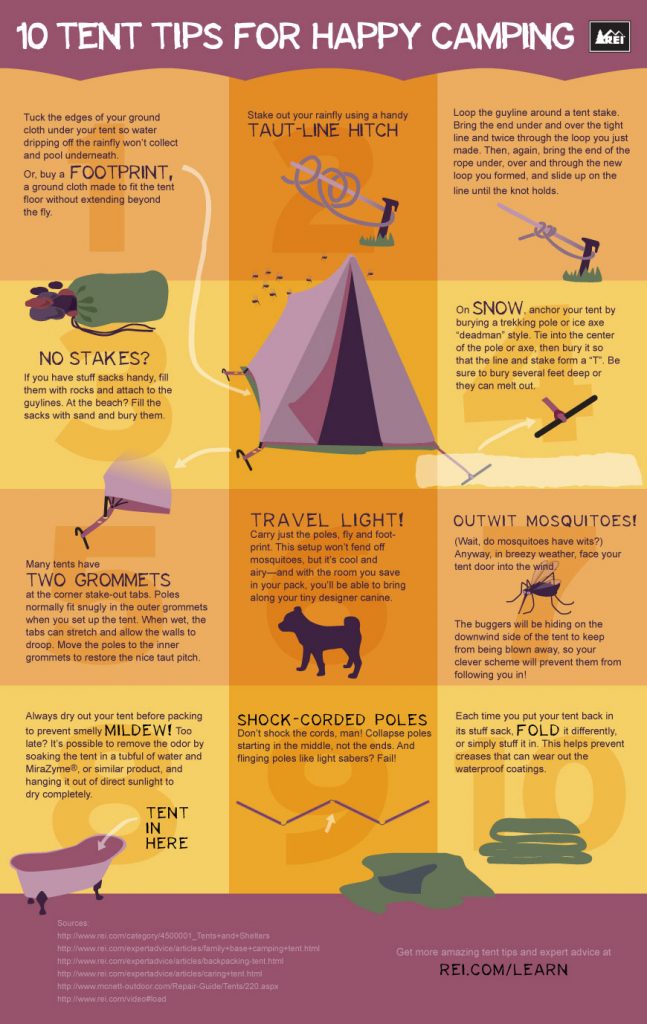
Water resistant canvas requires basic but regular care. Always dry it completely before storing to prevent mold, which weakens both the fibers and the waterproofing therapy. Wax-treated canvas must be re-waxed regularly, particularly at joints and high-wear areas. Synthetic-coated canvas benefits from a re-spray of DWR (long lasting water repellent) treatment after a number of seasons of use.
When the skies opens up and rainfall hammers down without mercy, water resistant canvas does what it has provided for campers for over a century-- it holds the storm at bay and maintains the people inside cozy, dry, and all set for the morning in advance.